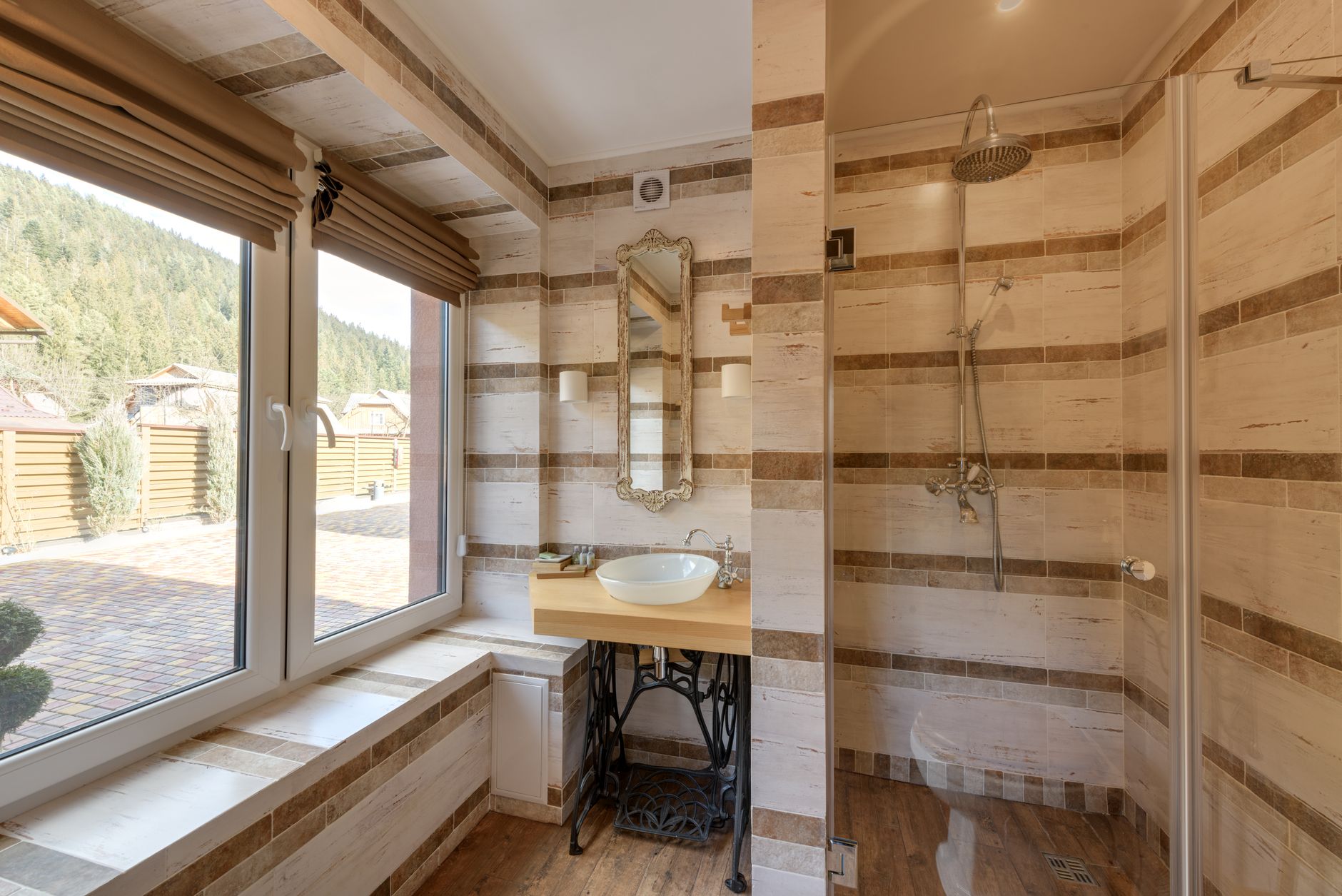
You reduce bathroom humidity with weak or no ventilation by removing water before it evaporates, giving steam somewhere to go, and keeping damp items out of the room. Squeegee the shower, take cooler or shorter showers, open the door and a window as soon as you finish, and add a small fan or dehumidifier if the room still stays damp. US EPA moisture guidance says to keep indoor humidity below 60 percent, ideally between 30 and 50 percent, so that is the number to aim for within an hour or so of a shower.
A hot shower puts a lot of water vapor into the air in a few minutes. A room with no working exhaust fan has to get rid of it through the door, a window, or by condensing on cold surfaces. Condensation on walls, mirrors, and ceilings is where mold and peeling paint begin, so the job is to control how much water goes into the air and how fast it leaves. Humid weather changes the rules, so the second half of this guide covers what to switch when the outdoor air is damp too.
Know your number first
You do not have to guess how damp the room is. A small digital hygrometer is often under $20 and shows relative humidity. Place it on a shelf away from the shower, not in the stream of steam, and check it before a shower, right after, and an hour later.
- Under about 30 percent is on the dry side and not the problem in a shower room.
- 30 to 50 percent is the range EPA guidance calls ideal for the home, and it does not encourage mold growth.
- 50 to 60 percent is borderline. Surfaces may stay damp a while.
- Above 60 percent for long periods is where mold, mildew, and musty smells become likely.
If the reading falls back to its starting level in 30 to 60 minutes, your setup is probably adequate. If it stays high for hours, work through the steps below. Also look for signs: a mirror that takes more than 15 minutes to clear, water beading on the ceiling, a window streaming with condensation, or a persistent musty odor.
Put less water into the air
Hot water produces far more steam than warm water, so cutting the vapor at the source is the simplest move.
- Lower the water temperature slightly. Even a few degrees reduces steam, and a warm shower is still comfortable.
- Shorten the shower by a minute or two where practical.
- Turn the water off while you lather, if you are comfortable with that.
- Close the curtain or door during the shower to hold steam in the stall, then open it afterward so it can drain and dry.
If several people shower in a row, give the room 10 to 15 minutes between users, or at least open the door before the next shower starts.
Remove surface water by hand
Water left on surfaces evaporates into the air. Wiping it off takes the moisture out of the room, and it is the most effective habit for a room with poor airflow.
- Squeegee the shower walls and glass right after the shower, about 30 seconds of work.
- Wipe the faucet, tub edge, and sink with a microfiber cloth.
- Dry the floor beside the tub with a towel you plan to wash anyway.
- Open the curtain fully so water drains down instead of pooling in the folds.
Create a path for damp air to leave
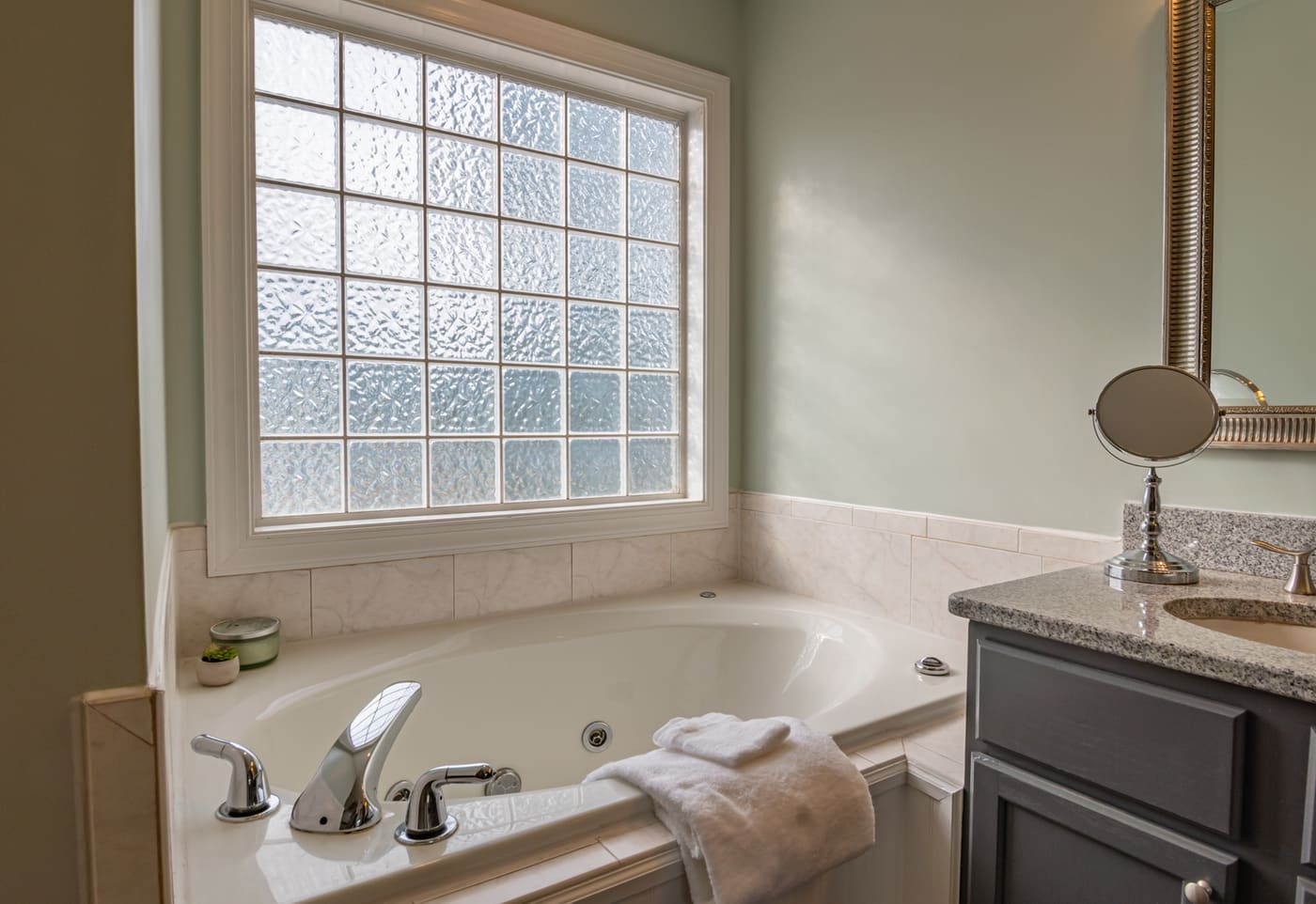
Without an exhaust fan you need another route out. The aim is cross-flow: moist air out, drier air in.
- Open the window during and after the shower, even a few inches, if outdoor air is drier than the bathroom. In winter, a burst of 5 to 10 minutes is usually enough and avoids chilling the whole house.
- Open the bathroom door after the shower. If the rest of the home is drier, the humid air spreads and dilutes. Skip this if the next room has its own damp problem.
- Keep the gap under the door clear. A thick mat there limits replacement air.
- Point a portable fan toward the door or window to push humid air out.
If you have a fan that seems weak
Many fans are simply left off, so check that yours runs. Hold a single sheet of tissue to the grille. If it is not pulled firmly against it, the fan may be clogged, the duct blocked, or the fan undersized. Running a fan during the shower and for about 20 minutes afterward is the commonly cited practice, including in ENERGY STAR fan guidance, and a timer switch makes that automatic.
For sizing, the Home Ventilating Institute rule of thumb is about 1 cubic foot per minute per square foot of floor area for bathrooms up to 100 square feet, and ventilation standards commonly set a floor of about 50 cubic feet per minute for intermittent bathroom fans. The bathroom fan size calculator turns your room dimensions into a number to shop for. Cleaning the grille is a basic task you can do, but replacing a fan or running new ducting and wiring is a job for a licensed electrician or contractor.
Fans and dehumidifiers by type
| Option | Typical cost | Good for | Limits |
|---|---|---|---|
| Small plug-in or box fan | Often $15 to $40 | Pushing air out a door or window | Needs a stable surface away from water; keep the cord away from the tub and sink |
| Compact thermoelectric or desiccant dehumidifier | Often $40 to $100 | Small bathrooms, light dampness | Removes less water per day |
| Compressor dehumidifier | Often $150 and up | Larger or very damp rooms | Needs space, emptying, and an outlet away from water |
| Moisture absorber tubs, boxes, or hanging bags | Often $5 to $10 | Closets and under-sink areas | Slow, small capacity, need replacing |
A dehumidifier is the right tool for long damp stretches, but the habits above come first, since a squeegee and an open door cost nothing. Run a plug-in unit after showers or on a timer rather than all day, keep it outside the splash zone, and plug it into a GFCI-protected outlet if that is what your bathroom has. Never use an extension cord near water. Check the tank size or drain-hose option before you buy, because a small tank that fills in hours gets skipped. Absorbers only work in small closed spaces, not in a shower area. Supplies that help beyond humidity are covered in the bathroom cleaning supplies guide.
When the weather is the problem
When outdoor humidity is high, air can absorb less extra water, so evaporation slows. Wet surfaces stay wet longer, and condensation forms on cold surfaces such as pipes, mirrors, and toilet tanks. A towel that dries overnight in January can stay damp for two days in July. Different climates need different emphasis.
| Situation | What changes | First move |
|---|---|---|
| Humid summer with air conditioning | The bathroom lags the cooled rooms and cold surfaces sweat | Keep the door open between uses so cooled air reaches the room |
| Humid summer, no air conditioning | Everything dries slowly, including towels | Thin towels, fewer soft goods, a fan or dehumidifier after showers |
| Coastal or very damp climate | Humidity stays high for weeks and paper curls | Move paper goods out, use lidded containers, check for mildew weekly |
| Rainy season | A window may bring in more moisture than it removes | Judge by the hygrometer, not by habit |
| Cold, wet winter | Condensation on windows and outside walls | Shorter showers, wipe condensation, short window bursts |
Let the hygrometer decide about the window
In dry weather, an open window clears a bathroom quickly. In very humid weather it can bring in more moisture than it lets out. If the bathroom reads higher than the rest of the house, ventilate toward the drier room instead. If the exhaust fan works, run it during the shower and for about 20 minutes afterward. For a bathroom connected to an area you already dehumidify, such as a basement, keep the door open so the system can reach it. Whole-home dehumidification or HVAC changes are professional jobs.
Lighten the soft goods
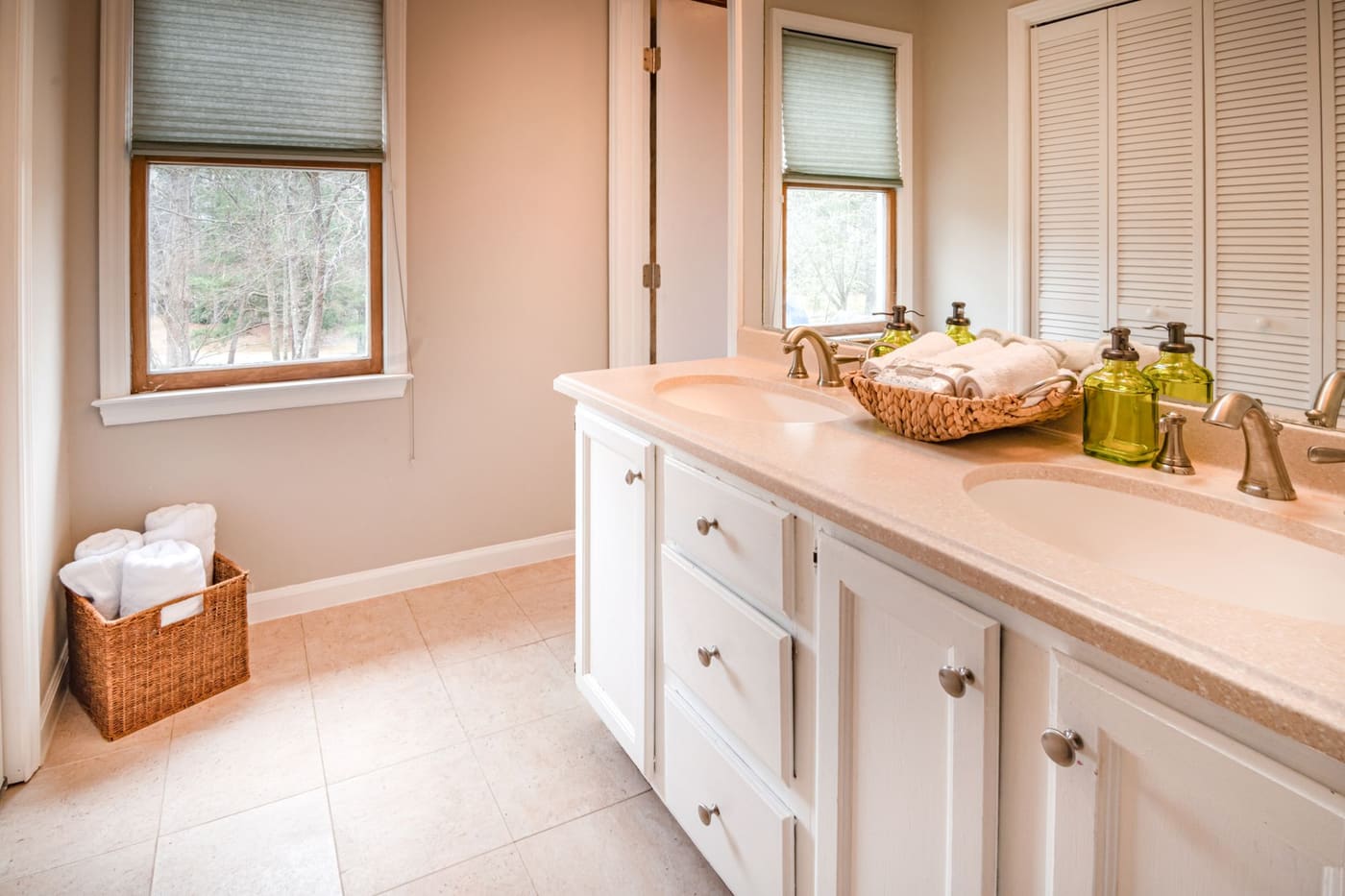
Towels, mats, and curtains are the largest source of lingering moisture, so give them less chance to stay wet.
- Keep one bath towel per person in the room and store the spare in a drier closet. The guide to hanging bath towels covers layout.
- Switch to thinner towels for the season. Waffle weave, thin cotton, linen blends, and microfiber dry much faster than thick terry.
- Use a quick-drying bath mat, or a washable runner you hang after every shower, and spread the shower liner open.
- Wash bath towels about every three uses, or at least weekly, and more often in humid weather. Dry them completely, in a dryer or outdoors in a breeze, before putting them away.
- Do not dry laundry in the bathroom unless a dehumidifier is running, and skip plants that need regular misting.
Move paper and cardboard out
Closed storage traps damp air, which feeds mildew on paper, cardboard, and fabric. Keep spare toilet paper, tissue boxes, and cardboard in a drier room or a sealed bin, and put cotton balls in a lidded jar. Spare towels belong in a bedroom or linen closet in humid months. Do not overfill the cabinet under the sink, and leave the doors ajar for an hour after showers during very humid weeks. Hang sponges and loofahs to dry and replace them more often.
Watch for condensation and leaks
A toilet tank that drips, a mirror that fogs, and beads of water on the ceiling are usually condensation, not leaks. Wipe the toilet tank and pipes dry, because dripping water can damage cabinet floors. To check, wipe the spot dry and look again after an hour. If water reappears at a joint or crack in dry weather as well, it is a plumbing problem, so shut off the water and call a licensed plumber. A slow leak adds moisture on its own and no amount of airflow solves that, so dripping pipes, soft cabinet bases, or staining on the wall behind need repair by a licensed plumber. A dry paper towel wrapped around the pipes once a month shows slow drips.
Mildew checks and when to stop cleaning
Mildew needs warmth, moisture, and organic residue such as soap, so in humid weather a weekly check beats a monthly one. Squeegee daily, wipe caulk lines and grout weekly with a bathroom cleaner, and wash the shower curtain or liner monthly. Dry each area with a cloth afterward. The ceiling corners and the grout near the tub are where mold shows up first.
Use one product at a time, wear gloves, open a window, and never mix bleach with ammonia or with acidic cleaners. EPA mold guidance treats hard-surface mold up to about 10 square feet as something you can clean yourself with detergent and water, and recommends a professional for bigger areas. Call a qualified professional as well if mold keeps coming back after cleaning or you find any water damage behind walls or under floors. If a musty smell persists after the room dries out, the causes are covered in stopping a bathroom from smelling damp even after cleaning.
Switching back when the air dries out
When humidity drops, bring back thicker towels and a plush mat if you like them, return paper goods to the cabinet, and go back to a monthly mildew check. Keep the squeegee habit all year, since it takes 30 seconds and protects the room in every season.
Where this comes from
This guide draws on US EPA indoor moisture and mold guidance, Home Ventilating Institute fan-sizing guidance, ENERGY STAR ventilation guidance, and published towel-laundering advice from health-system dermatology sources. Product prices are typical US ranges that vary by store and region.