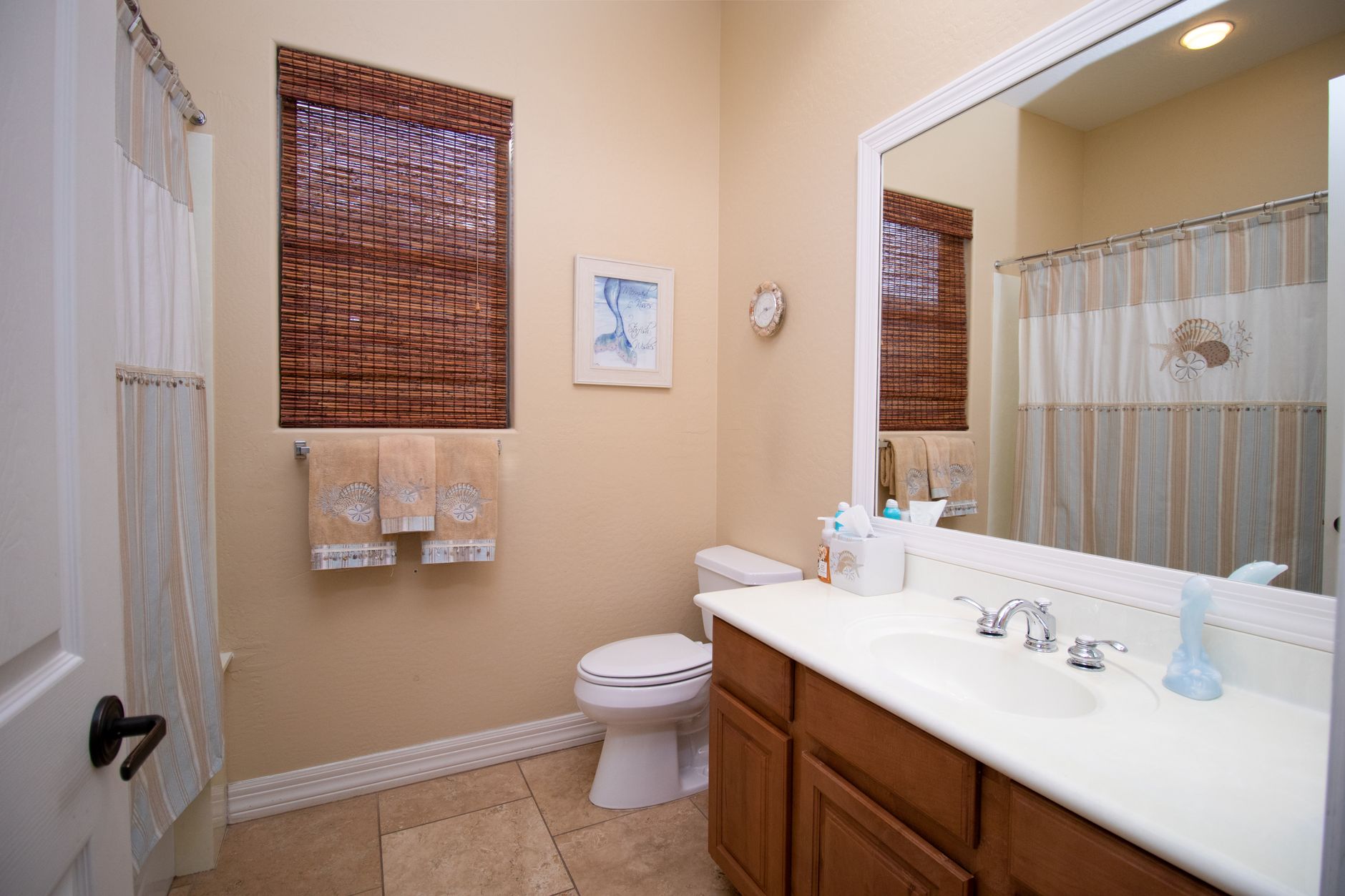
An old bathroom looks cleaner when you remove the signs of age that read as dirt: yellowed or dark caulk, stained grout, cloudy glass, rust marks, a dull bulb, and a worn shower curtain. Age itself is not the problem. Dated tile can look perfectly clean if the lines around it are crisp and the light is even. Target the details that make a room look neglected and leave the dated style alone.
The sections below go through those details in order of visual impact, with what to use, what to avoid, and when a problem needs a professional.
Understand what makes a room look dirty
People judge cleanliness from contrast and consistency. Dark lines against light tile, spots on a mirror, dull and uneven surfaces, and the color yellow all signal dirt, even when the surface is technically clean. In old bathrooms the usual offenders are:
- Discolored caulk where the tub, shower, and walls meet.
- Gray or brown grout lines.
- Orange or brown stains from hard water or iron around drains and fixtures.
- A white crust of mineral deposit on the faucet and showerhead.
- Yellowed plastic, such as an old toilet seat or light cover.
- A worn-looking vanity top with chips or stains.
Fixing these in order costs far less than any cosmetic redesign.
Replace the caulk first
Caulk is the biggest single tell. Once it turns yellow or grows dark spots, the whole tub area looks grimy no matter how well you scrub the tile. Mildew in caulk is often embedded in the material, so cleaning rarely fixes it for long.
The replacement process:
- Cut along both edges of the old bead with a utility knife and pull it out, or use a caulk removal tool.
- Scrape remaining residue, then clean the joint and let it dry fully, since moisture under new caulk makes it fail.
- Wipe with rubbing alcohol to remove soap film.
- Apply masking tape to each side of the joint for a straight line.
- Run a steady bead of 100 percent silicone or a mildew-resistant bathroom caulk, smooth it with a wet finger or tool, and pull the tape while the caulk is wet.
- Keep water off until the product label says it is safe. Silicone products commonly ask for about 24 hours before water contact, and full cure can take longer.
A tube is typically $6 to $15, and a tub and shower surround takes one to three hours. Ventilate the room because some silicones have a strong smell. If you lift the old caulk and find soft, dark, or crumbling material behind it, or water damage under the tub edge, that is a job for a professional, not a cosmetic fix.
Brighten the grout without regrouting
Dark grout makes tile look dirty, and in older bathrooms the grout is often porous. Start with the least aggressive option.
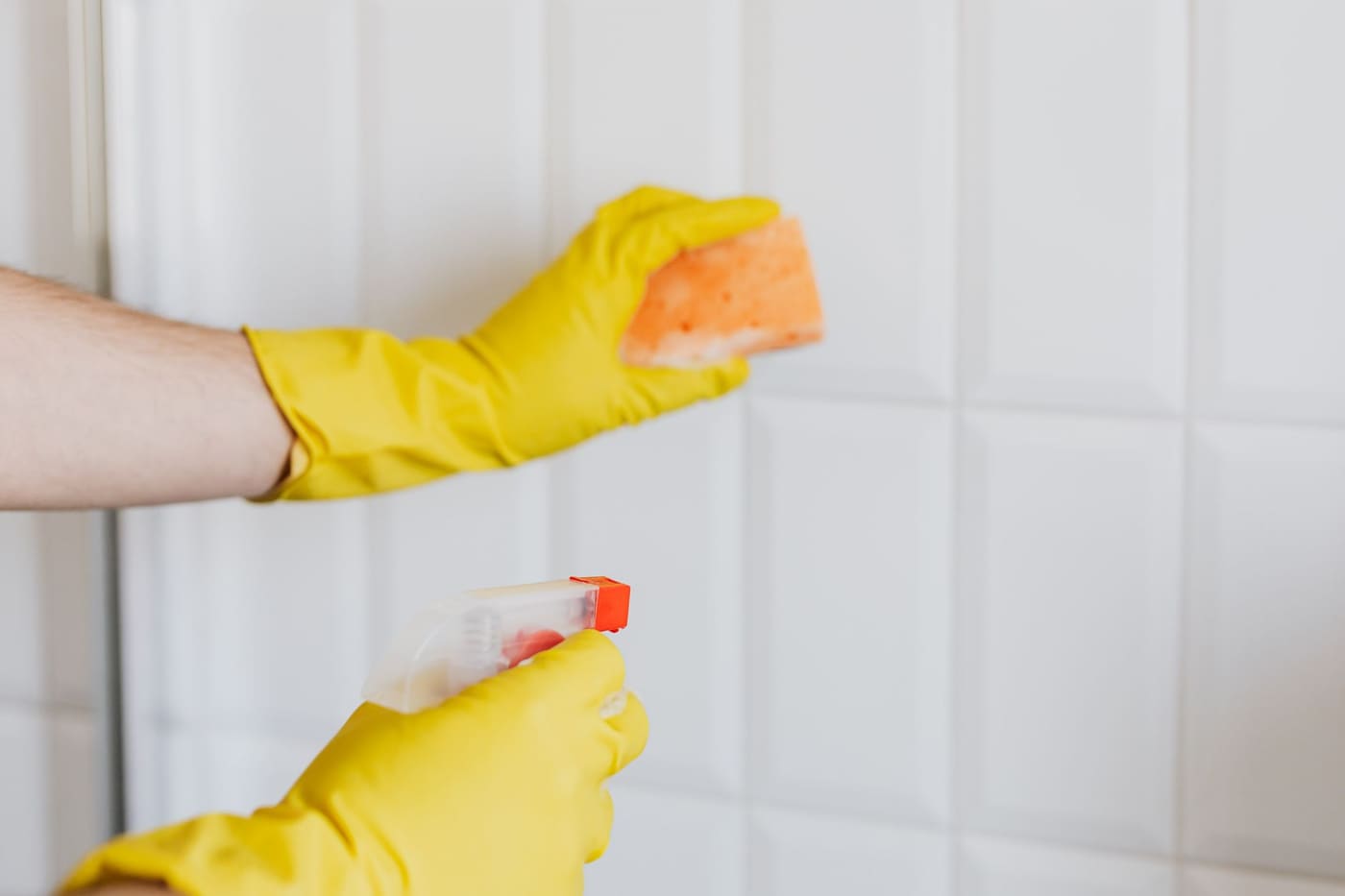
- Baking soda paste: Mix with a little water, scrub with a stiff nylon brush, then rinse. This is gentle and cheap.
- Oxygen-based cleaner: Dissolve in warm water as the label directs, apply, wait, scrub, and rinse.
- Grout pen or grout paint: For permanently discolored lines, a color-matched grout pen covers stains and gives a uniform line. Use in small sections and test on a hidden area first.
- Grout sealer: After cleaning and drying, seal grout to slow future staining. Many cementitious grouts benefit from sealing.
Do not mix bleach with ammonia or acidic cleaners, which release dangerous fumes. Choose one product, ventilate, wear gloves, and rinse well. Skip wire brushes, which gouge grout.
Remove hard water and rust stains
Hard water leaves white or cloudy deposits on faucets, glass, and the showerhead, and the lines of orange around drains come from iron in the water or from old metal.
| Problem | Typical approach | Caution |
|---|---|---|
| White scale on faucet | Soak a cloth in white vinegar and wrap it around the fixture for 20 to 30 minutes | Do not use vinegar on natural stone |
| Clogged showerhead | Soak in vinegar in a bag, then brush | Check finish guidance first, as some finishes dislike acids |
| Cloudy shower glass | Vinegar and water, then a squeegee after use | Avoid abrasive pads that scratch |
| Rust spots | A rust-removing cleaner made for bathroom surfaces | Follow the label and never mix with other products |
Using a squeegee after showers is the cheapest long-term fix, and it takes ten seconds. For the broader habit of keeping the room looking clean, see why a bathroom still feels dirty right after cleaning.
Replace the small plastic parts that yellow
Plastic ages faster than ceramic or metal. A toilet seat, a light cover, a soap dish, and a shower curtain liner often turn yellow or cloudy and drag the room down with them.
- A new toilet seat is typically $20 to $50. Choose one that fits the bowl shape (round or elongated) and install it with a screwdriver or by hand.
- Replace the shower liner every few months, since they are inexpensive and pick up soap scum.
- A yellowed bulb cover or diffuser can be washed, or replaced if it is rated for the fixture. Do not alter wiring yourself.
- Replace a stained plunger holder or bin with a simple matched one.
These small swaps are among the cheapest ways to make the room look newer.
Fix the light, because old light makes everything look dingy
Old fixtures often hold yellowed bulbs or a single dim bulb, which makes tile look gray and shadows look dirty. Replace old bulbs with new ones of the same base and an allowed wattage, and choose a clean warm white between 2700K and 3000K, or a neutral 3500K if you want a crisper feel. Do not mix color temperatures in one fixture. Clean the glass shade, which often has dust and bug debris inside.
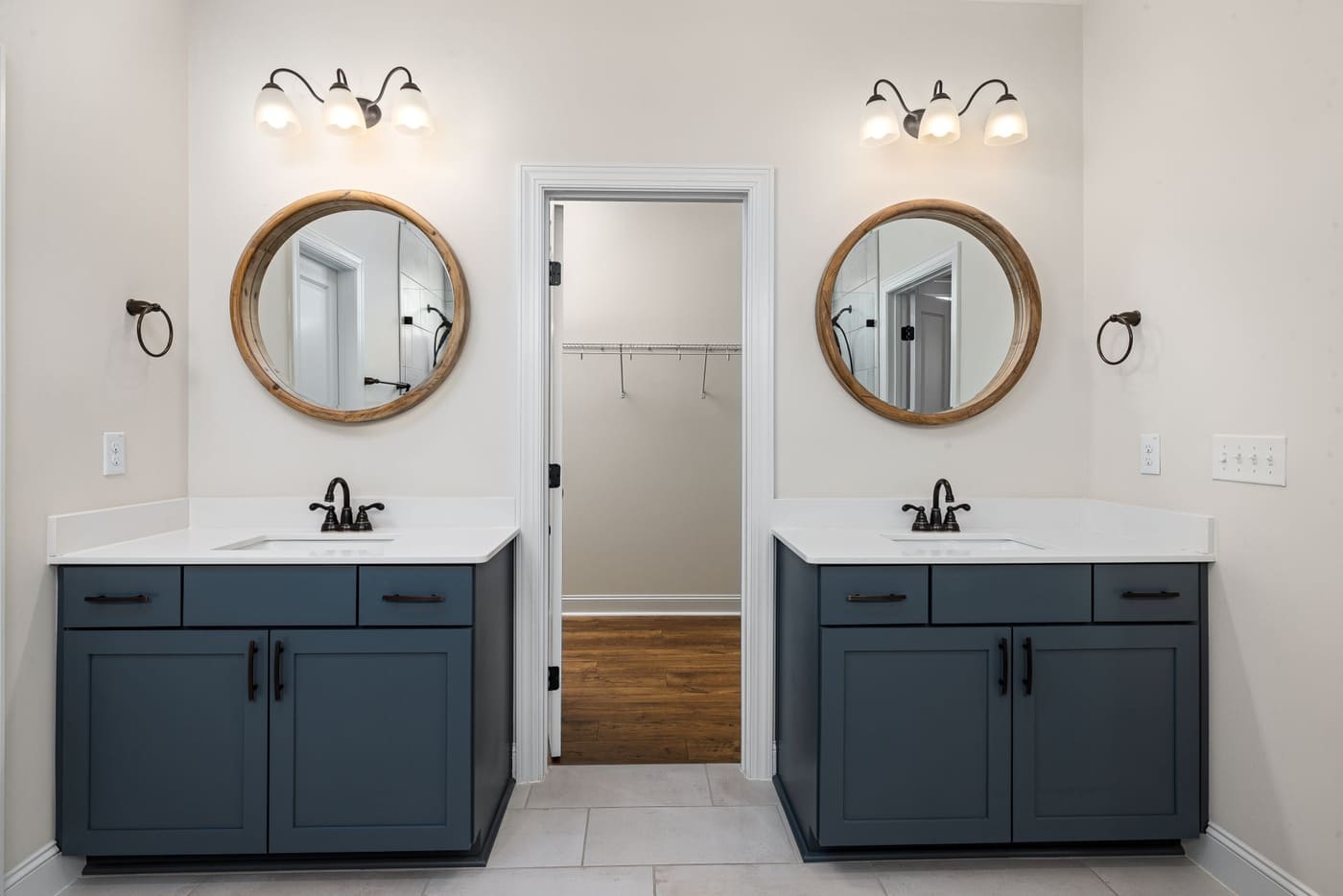
A fixture near a tub or shower needs the right damp or wet rating, and a change of wiring or fixture type should be handled by a licensed electrician. A plug-in or battery-powered lamp away from water is a simple way to add brightness without electrical work. See what bathroom lighting actually helps for the options.
Restyle with fresh, plain textiles
Old rooms respond well to fresh, simple fabric. A white or light neutral shower curtain on a new liner, matching bath towels without fraying edges, and a freshly washed bath mat all signal cleanliness. Wash bath mats weekly and hang them to dry. Patterns that were fashionable decades ago, such as small floral prints, can look older than they are, so lean to solids.
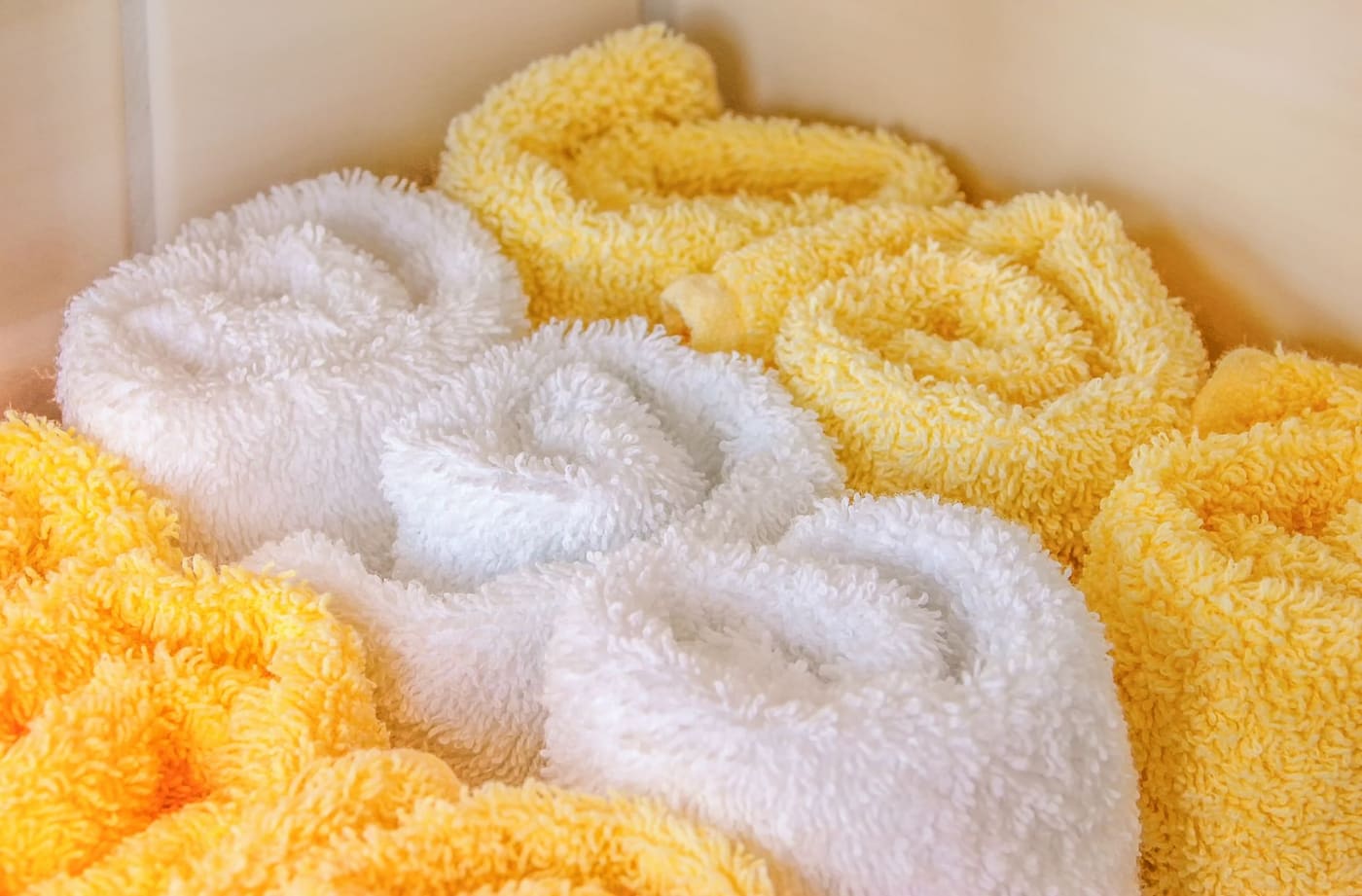
Replace any towel that looks gray or has lost its absorbency. If you have only a small budget, new towels and a new liner often do more than anything else you can buy.
Paint or reglaze dated tile
If the tile is clean but the color is the problem, such as almond, pink or a harsh two-tone, there are two cosmetic routes. Both are bigger jobs than caulk, and both depend on prep.
- Tile paint kits (DIY): Typically about $30 to $80 for enough to cover a small wall or floor area. You clean, degloss or lightly sand, prime with the bonding primer in the kit, and apply two coats. Work with the fan running and a window open, wear the protection the label calls for, and keep the room closed to water until the cure time on the label has passed. Kits commonly specify several days before water contact and longer for full hardness, so read yours before you start. Painted tile on a shower wall or floor wears faster than painted tile on a dry backsplash, so be realistic about where to use it.
- Professional reglazing: A specialist sprays a durable coating on a tub, tile or sink. It often costs a few hundred dollars or more depending on size and region, so get written quotes. The coatings give off strong fumes, so the room needs good ventilation, and commonly the tub is out of use for at least a day or two while it cures, so follow the installer’s instructions. Keep children and pets out while it cures.
Neither fixes a leak, soft grout or a cracked tile, so repair those first. Owners can choose either route. Renters should not paint tile or have a tub reglazed without written permission. Whichever you choose, redo the caulk last, since fresh caulk gives the crispest line around the finished surface.
Edit the surfaces so the room looks cared for
An old bathroom with bare, wiped surfaces looks cleaner than a newer one with a cluttered counter. Remove everything from the tub edge, the toilet tank top, and the window sill, then put back only what you use daily. Wipe the counter and mirror every few days. Keep the bin emptied and, if possible, lidded.
For old vanity tops with chips and stains, cosmetic fixes vary by material, so check before using any product. A tray or mat can hide a worn surface at the sink, though it should not conceal water damage underneath, which needs professional attention.
Cost and time at a glance
| Fix | Time | Typical cost |
|---|---|---|
| Recaulk tub and shower | 1 to 3 hours | $6 to $15 |
| Grout clean or pen | 1 to 2 hours | $5 to $20 |
| Descale faucet and showerhead | 30 minutes | Under $5 |
| New toilet seat | 15 to 30 minutes | $20 to $50 |
| New liner and curtain | 10 minutes | $10 to $40 |
| Fresh bulbs | 10 minutes | $5 to $20 |
| New towels and mat | Shopping only | $40 to $120 |
If the list feels long, cheap bathroom updates that make the biggest difference helps you pick the first two or three.
Where to stop
Aim for crisp lines and a consistent tone instead of hiding every dated feature. Dated tile looks clean when the caulk is white, the grout is even and the light is warm. If the room still looks dingy right after you clean it, why your bathroom still feels dirty after cleaning covers the likely causes, and for what to buy first, see cheap bathroom updates that make the biggest difference.
Where this comes from
This article draws on the US CDC’s warnings about mixing bleach with ammonia or acids, general caulk and grout manufacturer guidance on cure times and sealing, and published tub reglazing guidance on ventilation and cure times, which varies by product. Prices are typical US ranges that vary by store and region.