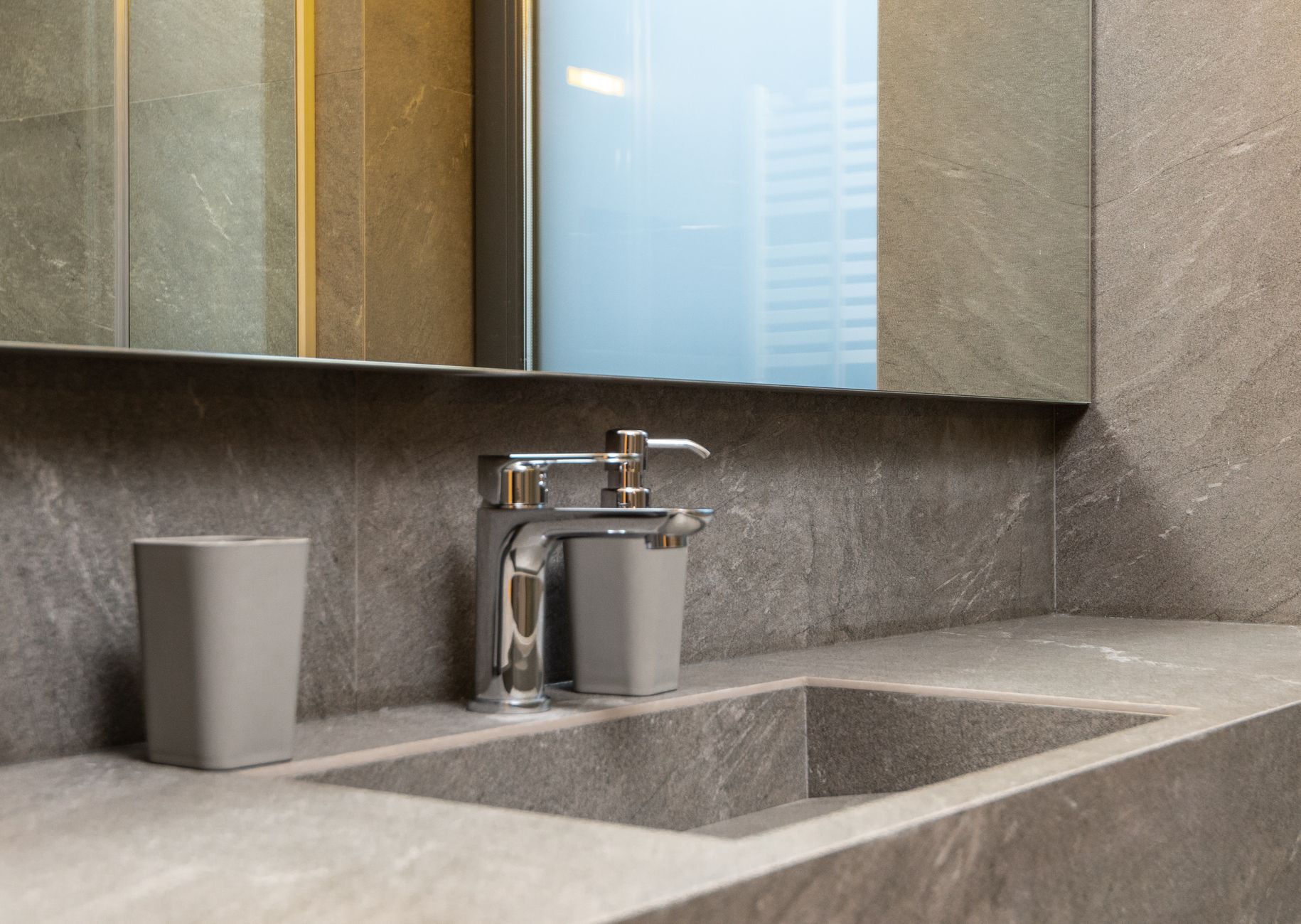
The cheap updates that change a tired bathroom most are fresh caulk, matching warm bulbs, a new shower liner and curtain, and a set of towels that match. Together they typically run roughly $100 to $200 and you will see the difference from the doorway. Mirror, hardware and paint come next. Tile, vanity and faucet can wait, because they last decades while fabric, plastic and caulk wear out in months or a few years, so a tired room is usually tired in those short-lived places.
The table is a walk-through. Check each item against its sign of wear and buy only what has failed. Prices are typical US ranges and vary by store and region.
| Update | Replace or do it when | Typical cost | Time |
|---|---|---|---|
| Caulk at the tub or shower | Yellow, black-spotted, peeling or cracked | $6 to $15 | 1 to 3 hours |
| Bulbs | Dim, mismatched, flickering or yellowed | $5 to $20 | 10 minutes |
| Shower liner and curtain | Cloudy, pink-spotted, smelly after washing | $15 to $40 | 10 minutes |
| Towels | Gray, thin, frayed or slow to absorb | $40 to $120 | Shopping |
| Toilet seat | Stained, cracked or loose | $20 to $50 | 15 to 30 minutes |
| Bath mat | Flattened, musty, no longer dry in a day | $15 to $40 | None |
| Cabinet pulls and towel hardware | Rusty, loose or mismatched | $30 to $100 | 1 to 2 hours |
| Mirror | Black edges, cracks or a plain glued-on sheet | Often $60 to $200 | 1 to 2 hours |
| Paint | Dingy, stained or a color you dislike | Often $25 to $60 per gallon | A weekend |
| Showerhead | Clogged or stained after a vinegar soak | $20 to $60 | 15 minutes |
Audit first, then shop
A cheap update that fixes something real beats a decorative object sitting on top of a problem. Stand in the room, run through your morning routine in your head and note each place where you pause or reach awkwardly.
- Air: Does the mirror stay fogged long after a shower, or does the room smell damp? Fix that before anything else, using reducing bathroom moisture. A common guideline is to run the fan during the shower and for about 20 minutes after.
- Light: Can you see your face clearly, and is the light warm and even?
- Surfaces: Are the caulk, grout and fixtures clean and intact?
- Textiles: Do towels, mat and curtain dry properly and look fresh?
- Small comforts: Is there a hook for every towel and somewhere to set a phone?
Your answers become the shopping list, and it is usually shorter than expected. A purchase belongs on it only if you see or touch it daily, it fixes something that looks bad or works badly, and it reduces visual noise by matching, hiding or removing things.
Caulk and bulbs: the two cheapest big changes
Caulk. Dark or yellowed caulk frames the tub with a grimy outline even when everything else is spotless, and mildew in old caulk is usually embedded in the material, so scrubbing rarely lasts. Cut out the old bead, clean and fully dry the joint, tape both edges, run a steady bead of mildew-resistant bathroom caulk or 100 percent silicone, smooth it and pull the tape. Keep water off for the time on the label; silicone products commonly ask for about 24 hours before showering, and full cure can take longer. Ventilate, since some silicones smell strongly.
If you find soft, dark or crumbling material under the old caulk, or signs of water damage behind the wall or under the tub edge, stop and call a professional. That is a moisture problem, not a cosmetic one. The step-by-step version with grout and stain fixes is in making an old bathroom look cleaner without renovating.
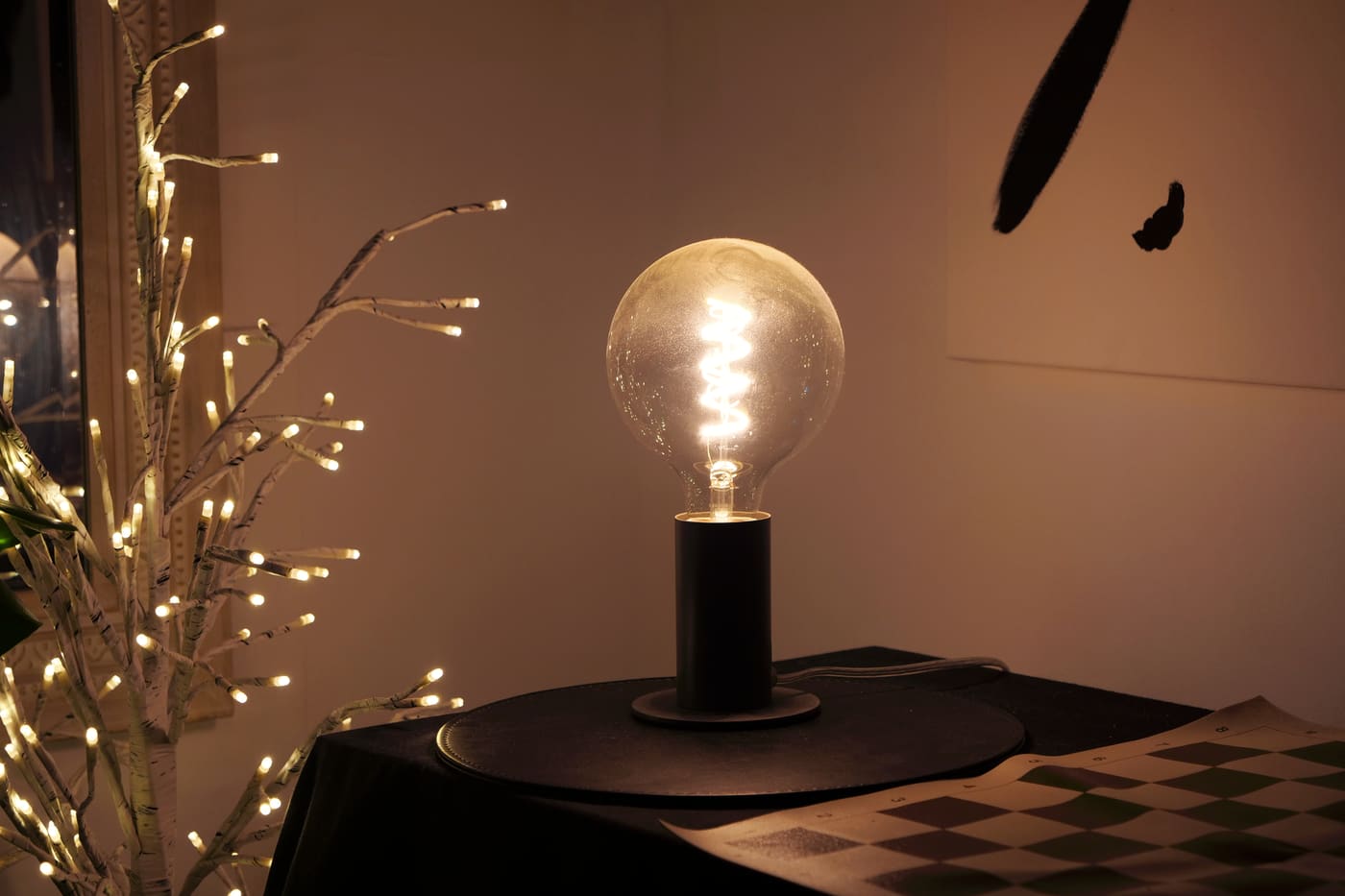
Bulbs. New bulbs are the cheapest change with the strongest effect. Warm white at 2700K to 3000K, frosted, with a CRI of 90 or higher shows skin and tile better than a cool, harsh bulb, though CRI 80 is the usual baseline on standard bulbs and 90 is a nice-to-have. Match the base, replace every bulb in the fixture at once so the color matches, and never exceed the maximum wattage printed on the fixture. A fixture inside or directly above a tub or shower needs the right damp or wet rating, and anything beyond a bulb swap belongs to a licensed electrician. If one overhead bulb is still the only light, how to light a bathroom shows the next layer to add.
Liner, curtain, towels and mat
These make up most of the soft surface in a bathroom, so new matched pieces lift the room more than any single object.
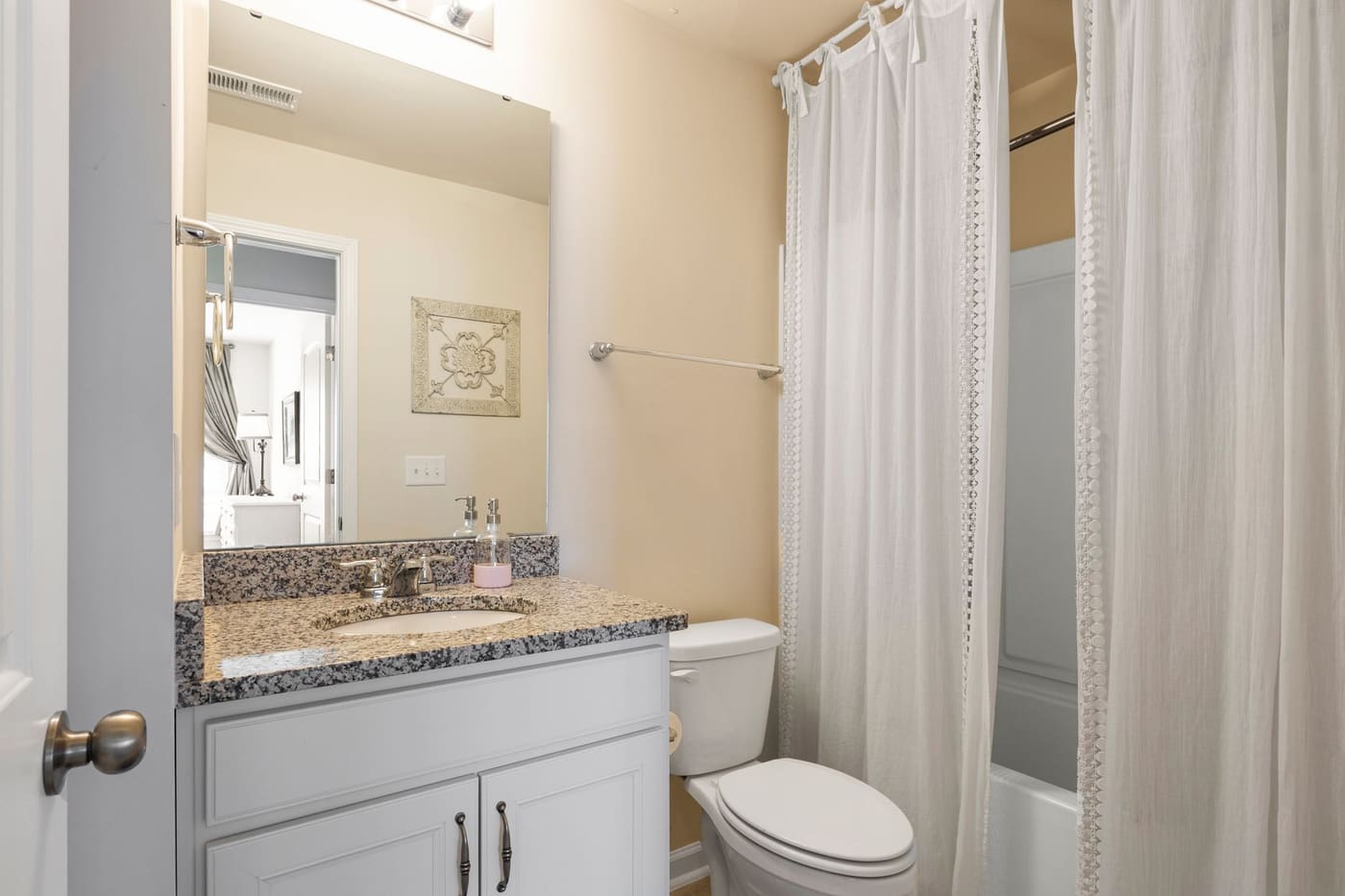
- Liner and curtain: A fabric curtain in a solid or small pattern over a mildew-resistant liner. A liner is in constant contact with water and soap and collects soap scum and mildew spots. A fabric liner can sometimes be machine-washed gently, but if the stains stay, replace it. Pull it flat after showers so it dries.
- Towels: One color family and one weight. Fabric softener coats fibers and cuts absorbency, and washing with a cup of white vinegar and no softener can sometimes restore them. If they still do not absorb, replace them. Mid-priced sets often outlast very thin cheap ones. How to hang and fold them is in keeping bath towels from making a bathroom feel messy.
- Bath mat: A mat that stays damp grows odors. Replace it when it no longer dries within a day or washing does not revive it, and choose cotton or a quick-drying type with a nonslip backing. Wash weekly.
The toilet seat, hardware and showerhead
Toilet seat. A stained or yellowed seat makes the whole toilet look older. Most attach with two bolts at the back and come off with a screwdriver or by hand. Measure from the bolt holes to the front of the bowl to choose round or elongated.
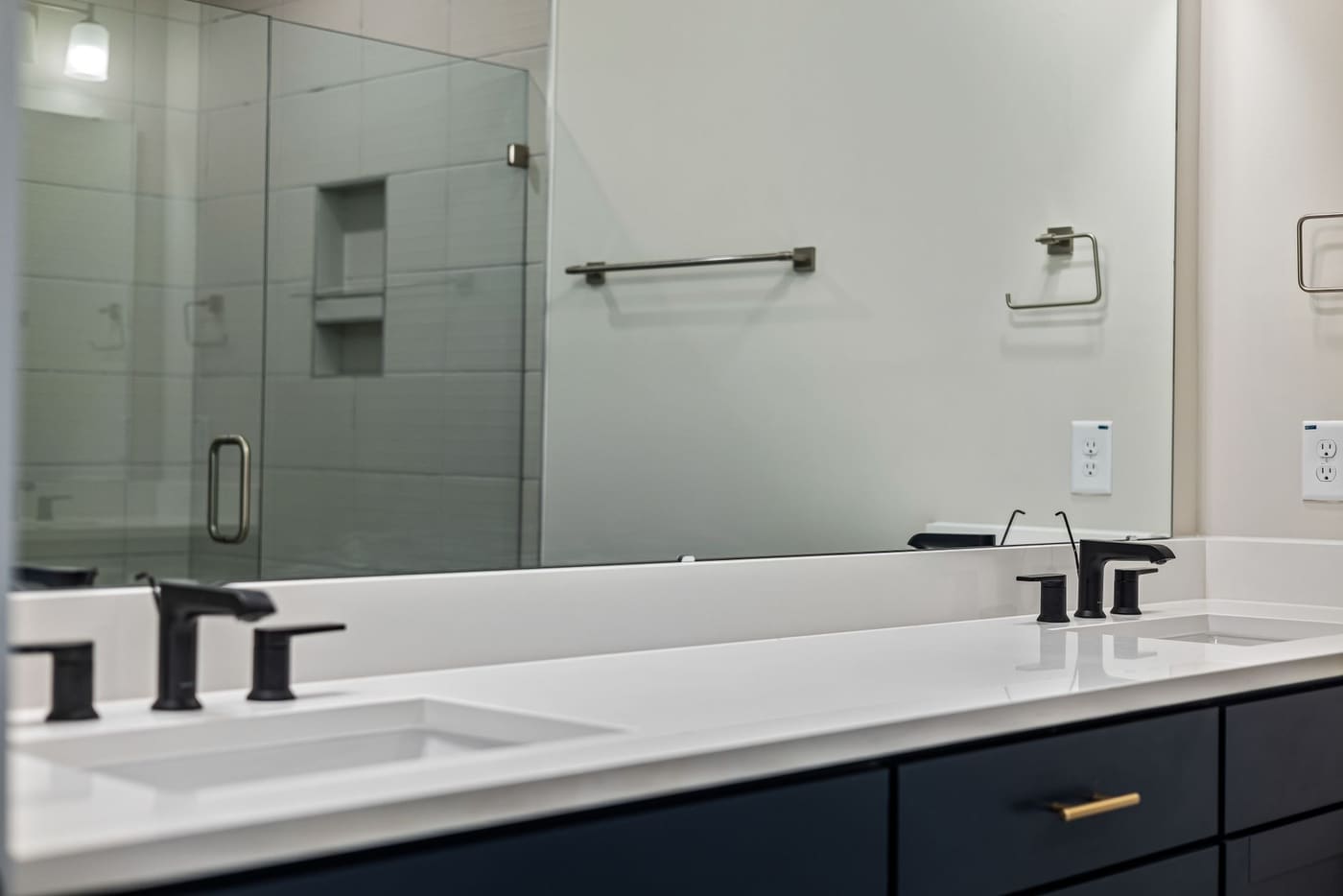
Hardware. Rusty towel bars, wobbly paper holders and mismatched knobs make a room look neglected, and they are among the few swaps that need only a screwdriver. Measure the center-to-center distance between existing screw holes so new pulls line up, then pick one finish for everything. If you rent, keep the originals in a labeled bag.
Showerhead. A clogged head with scale on the face looks worn. First soak it in white vinegar, unless the maker warns against acid on the finish. If it still sprays unevenly, unscrew it, wrap the threads with plumber’s tape and hand-tighten a new one, since over-tightening can crack the arm. If you see any leak at the pipe, shut off the water and call a licensed plumber.
The mirror swap
A builder-grade mirror glued flat to the wall is one of the weakest parts of many bathrooms. A framed mirror as wide as the vanity, or a few inches narrower, makes the wall look planned. Measure the vanity width, check the weight on the label and use studs or anchors rated for it, never a single small nail. If the old mirror is glued on, removal can tear the drywall, so plan on patching or hire help, and renters should leave it alone and hang a lighter framed mirror over it only with permission. Sizing and frames are in the mirror guide.
Paint
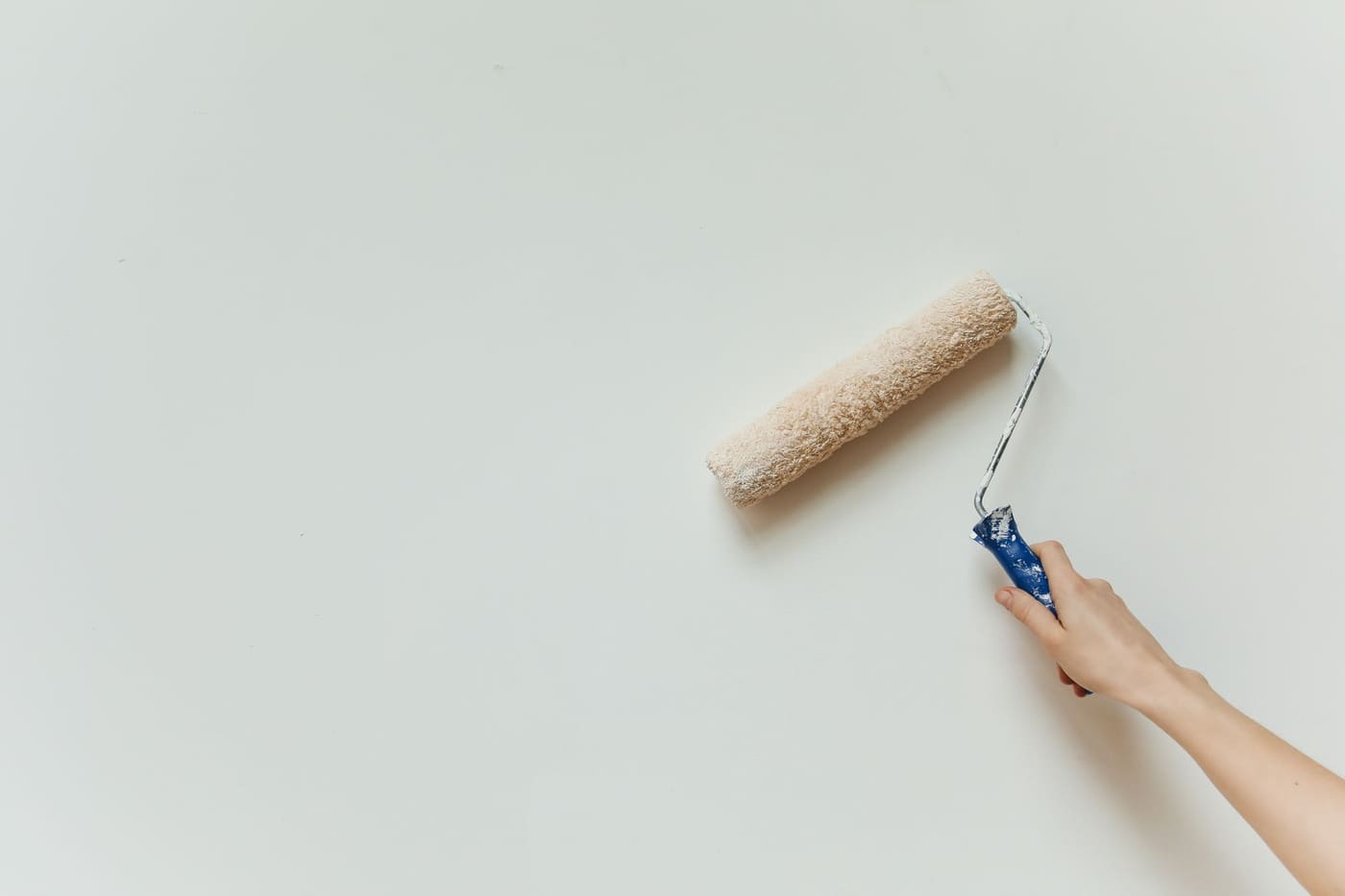
Paint changes the largest surface. A gallon typically covers about 350 to 400 square feet per coat, which is enough for two coats in most small bathrooms, while a quart suits an accent wall or a vanity. A satin or semi-gloss finish handles moisture better than flat. Wipe the walls clean, tape the trim and apply two thin coats with the fan on or a window open. Renters should check the lease before painting.
What not to buy first
- Wall decor sets and themed accessories. They add clutter more than polish.
- A new faucet. It is plumbing work that adds cost and risk, and it only helps if the old one leaks or is worn.
- New tile or flooring. That is a renovation, not an update.
- Large storage furniture. Measure before you buy.
- Fragranced products. A clean room smells better than a scented one.
Many people overspend on a cart of small items, such as a soap set, a themed mat, wall hooks, a basket and a candle. They can reach $100 and change almost nothing, because each piece is a different style and none fixes a problem. The same money spent on caulk, bulbs, a liner and one set of towels changes the whole room. Skipping prep is the other trap: paint over dirty walls peels, and caulk over a damp joint fails within months.
Which jobs you can do yourself
- Do it yourself: liner, curtain, mat, towels, toilet seat, bulbs, hardware and caulk. Each has a label or a simple method, and a mistake costs a few dollars.
- Do it carefully: the showerhead, because of the threads.
- Hire a pro or ask permission: anything touching wiring, such as a light fixture, fan or outlet, goes to a licensed electrician. Anything connected to supply pipes, such as a faucet or toilet, goes to a licensed plumber if you are unsure. Renters need the landlord’s permission for anything permanent, and renter-friendly upgrades worth doing lists what is easy to undo.
Spending in stages
Around $50 covers caulk, new bulbs and a liner. Around $150 adds matching towels, a curtain and a bath mat. Around $300 adds paint, hardware and a mirror. Keep receipts for the first week and return anything that does not improve the room. After each stage, wait a few days and look again, because the room often feels done sooner than you expected. If you add a plant later, check it against a pet-safety list from your veterinarian first, since pothos, snake plants and several other common bathroom plants irritate cats and dogs if chewed.
When the basics are done, the bathroom refresh planner can turn what remains into a sequence, and updating a bathroom without a full renovation covers paint, floors, wallpaper and styling.
Where this comes from
This article is based on the Home Ventilating Institute guidance on running bathroom fans after showers, ENERGY STAR and US Department of Energy lighting guidance on lumens and color rendering, manufacturer-neutral caulk and paint coverage guidance from trade publications, and the ASPCA plant toxicity listings. Prices are typical US ranges that vary by store and region.